Malaysia’s Energy Transition : The NETR
By NextGen ST. 3 November 2026.
What It Is: An Introduction
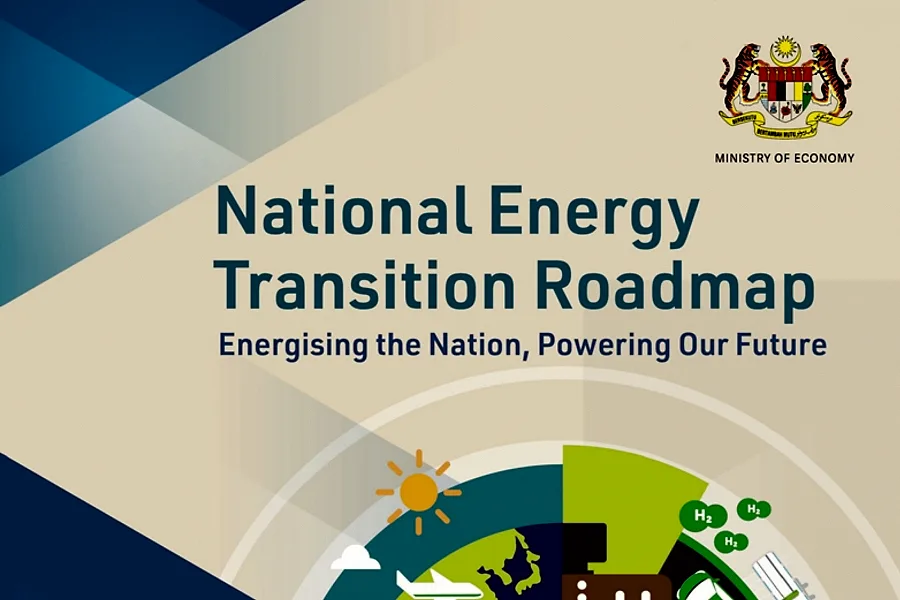
The National Energy Transition Roadmap (NETR) is a two-part national plan launched by Malaysia’s Ministry of Economy to guide the country towards a greener, low-carbon, and more sustainable future. It outlines how Malaysia will reduce greenhouse gas emissions while ensuring reliable and affordable energy supply for citizens and industries.
The roadmap builds upon earlier national policies, including the Twelfth Malaysia Plan (2021–2025) and the National Energy Policy (2022–2040), both of which laid the foundation for transforming Malaysia’s energy landscape. A key national goal highlighted in these plans is achieving net-zero greenhouse gas (GHG) emissions by 2050.
Key NETR Targets
Energy Efficiency Goals
By improving energy efficiency, Malaysia aims to reduce overall energy consumption compared to a Business-As-Usual (BAU) scenario.
| Part | Share |
|---|---|
| Total Energy Savings | 21% |
| Residential Sector | 15% |
| Industrial and Commercial | 22% |
| Part | Share |
|---|---|
| Total Energy Savings | 22% |
| Residential Sector | 20% |
| Industrial and Commericial | 23% |
Guiding Principles
| Step | Details |
|---|---|
| Alignment with national sustainability commitments | |
| A just, inclusive, and cost-effective transition | |
| Strong governance and a whole-of-nation approach | |
| Collaboration across ministries, industries, and communities | |
| Creation of high-impact green jobs and stronger SME participation |
Transparency and Governance
Project Evaluation
The NETR aligns with the Climate Change and Principle-Based Taxonomy defined by Bank Negara Malaysia (BNM). Projects are evaluated to ensure it aligns with the Twelfth Malaysia Plan and broader sustainability goals.
The Ministry of Economy has also worked with the Ministry of Natural Resources and Environmental Sustainability (NRES) to review renewable energy policies. Over 100 engagement sessions and consultations were conducted to gather feedback from stakeholders.
Financing
Malaysia estimates that between RM1.2 trillion and RM1.3 trillion in investment will be required by 2050.
| Item | Parent |
|---|---|
| Funding Source | |
| Grants | Funding Source |
| Loans | Funding Source |
| Incentives and Rebates | Funding Source |
| Private and Public Investment | Funding Source |
The Ministry of Finance (MOF), Bank Negara Malaysia (BNM), and the Securities Commission (SC) are collaborating to explore sustainable financing mechanisms.
Inclusivity
To ensure inclusivity, the Ministry of Economy organised workshops involving government agencies, private sector representatives, and industry associations. The goal is to ensure that the energy transition benefits all Malaysians.
Why Is the NETR Needed?
Climate Change Impacts on Citizens
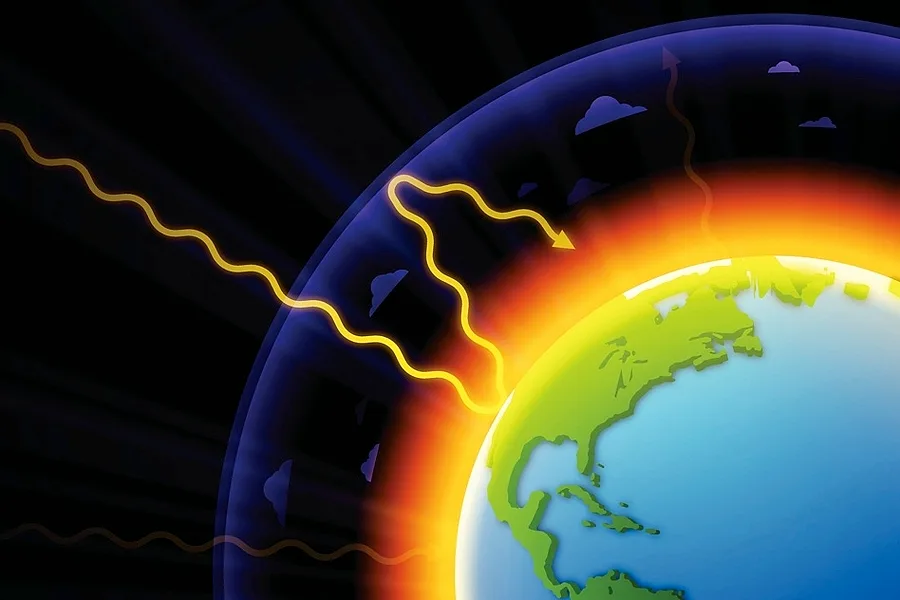
Malaysia’s energy sector has historically been the largest contributor to national greenhouse gas emissions. While the sector has driven economic growth, it has also contributed to rising emissions.
Climate change is no longer a distant issue.
| Heading | Text | Image |
|---|---|---|
| Increasing Heatwaves | https://bsmswmrdgmlgofysfblr.supabase.co/storage/v1/object/public/media/04abe29a-21d5-4b48-a0e7-b0b3fb6f1b9f/5ebff469-ebc5-4a8c-86ae-85cf1715ebce.webp | |
| More Frequent Floods | https://bsmswmrdgmlgofysfblr.supabase.co/storage/v1/object/public/media/04abe29a-21d5-4b48-a0e7-b0b3fb6f1b9f/41629fcb-0ea9-4a5a-a587-64f03e831992.webp | |
| Extreme Weather Events | https://bsmswmrdgmlgofysfblr.supabase.co/storage/v1/object/public/media/04abe29a-21d5-4b48-a0e7-b0b3fb6f1b9f/c5f0c14d-4bf4-400d-8122-3ef495e0fd9e.webp | |
| Environmental Degradation | https://bsmswmrdgmlgofysfblr.supabase.co/storage/v1/object/public/media/04abe29a-21d5-4b48-a0e7-b0b3fb6f1b9f/aa24504a-d73f-4957-8deb-4216a3df7f11.webp |
These impacts affect public health, economic productivity, and quality of life.
The Global Race Toward Net-Zero
Around 140 countries have pledged net-zero commitments, and many have developed concrete policy frameworks.
Not only that, global agreements such as the Paris Agreement increase pressure on Malaysia to transition toward cleaner energy.
| Step | Details |
|---|---|
| Attract green investments | |
| Create new industries | |
| Generate long-term employment | |
| Strengthen economic competitiveness |
The Two Parts of NETR
Part One (Launched 27 July 2023)
Part One introduces 10 flagship catalyst projects structured around
| Step | Details |
|---|---|
| Energy Efficiency (Efficient Switch) | |
| Renewable Energy (Renewable Energy Zones, Energy Storage, Energy Secure) | |
| Hydrogen (Green Hydrogen, Hydrogen for Power) | |
| Bioenergy (Biomass Demand Creation) | |
| Green Mobility (Future Mobility, Future Fuel) | |
| Carbon Capture, Utilisation and Storage (CCUS for Industry) |
| Item | Parent |
|---|---|
| Five Cross-cutting Enablers | |
| Financing and Investment | Five Cross-cutting Enablers |
| Human Capital Development | Five Cross-cutting Enablers |
| Policy and Regulation | Five Cross-cutting Enablers |
| Technology and Infrastructure | Five Cross-cutting Enablers |
| Governance | Five Cross-cutting Enablers |
Part Two (Launched 29 August 2023)
Part Two focuses on:
Malaysia’s low-carbon pathway
National energy mix planning
Long-term emissions reduction targets
Who Is Powering Malaysia’s Energy Transition?
Log in and read the rest for free.
A free account also lets you save words and join the conversation.
Comments
Log in to write a comment. It is free.
No comments yet.